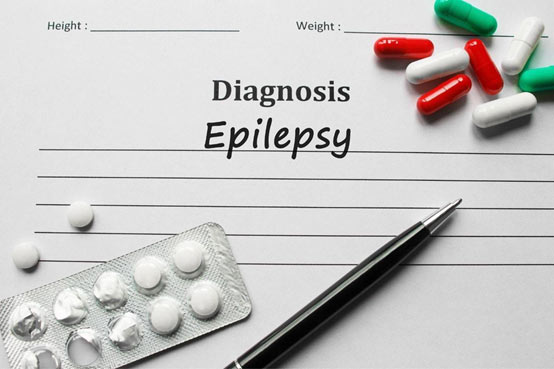
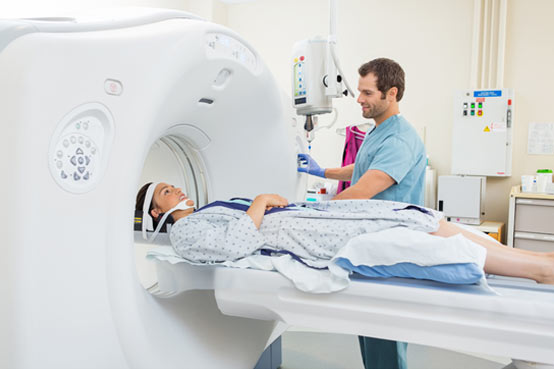
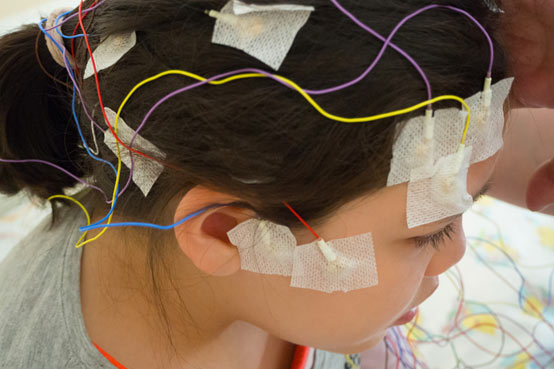
The process of diagnosing epilepsy is long and complex, and requires patience. Essential tests for diagnosis are EEG, brain MRI, and CT scan. Diagnosing epilepsy is a long and complex process
The process of adjusting antiepileptic drugs can be long and drawn out. But once the right dose is found, most epilepsy patients can lead completely normal and active lives
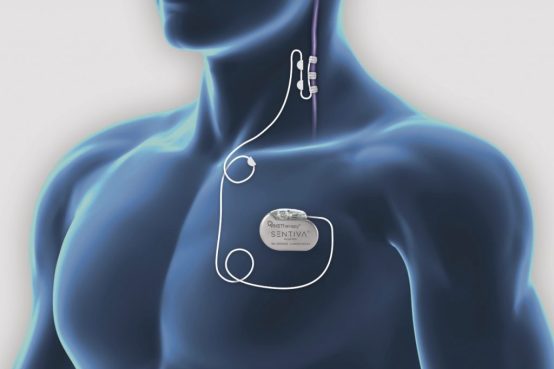
A vagal pacemaker is used as an adjunctive treatment for drug-resistant epilepsy. It is a small device that causes electrical stimulation of one of the cranial nerves, thereby reducing the frequency and severity of seizures
Epilepsy surgeries, offered to patients with drug-resistant epilepsy, have been found to be effective and safe for patients. Below is a breakdown of the available surgeries, and the tests that must be performed prior to them
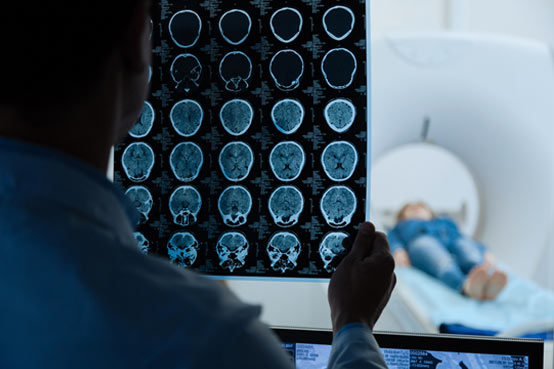
An MRI provides detailed, accurate cross-sectional images of the brain, which helps your doctor determine the cause of your seizures. It is painless and considered safe for everyone, including pregnant women