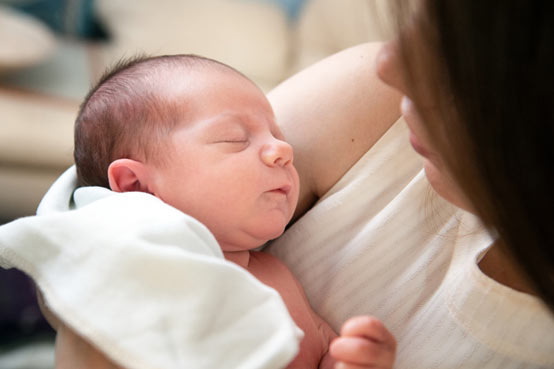
Epilepsy in infancy is different from seizures in older children and adults, and is more difficult to recognize. The diagnosis is more likely if the behavioral changes are not typical of children of the same age and if there is a consistent pattern, as well as if unique EEG features are seen.
Epilepsy in children can go away on its own, and in most cases it can be controlled with medication. It is important to remember that not every seizure in a child necessarily indicates epilepsy.
Approximately 15,000 children and adolescents in Israel currently deal with epilepsy, of whom the majority (approximately 75%) respond well to drug treatment, control seizures completely or reasonably well, and lead normal lives.
Coping with epilepsy in adolescence is complex and particularly sensitive for both the adolescent and the parent.
Coping with epilepsy is challenging at any age, but in adolescence it adds emotional and social layers, which make coping particularly complex and sensitive – both for the adolescent and for the parent.
The rate of development of seizure disorders in the elderly is higher than in childhood. Due to the risk factors, rapid diagnosis and treatment are of great importance in this age group.
Despite being common among those aged 65 and over, epilepsy received relatively little attention in this age group over the years, until the 2000s.
Women with epilepsy experience changes in seizure frequency and severity due to hormonal changes. For example, during puberty, ovulation, pregnancy, and menopause.
Although epilepsy is slightly more common in men, it has a number of unique implications for women, especially during their reproductive years.
Living with epilepsy brings challenges and difficulties, which take a psychological toll on those who deal with it. The good news is that there are ways to help and improve the quality of life.
Living with epilepsy brings many challenges. Receiving a diagnosis can affect people in different ways, depending on the type of epilepsy and the frequency of seizures.